
With an MD from Tufts University School of Medicine, Dr. Brian Gilchrist is a consultant surgeon for the government of Grenada. Well-versed in congenital diseases, Brian Gilchrist, MD edited a well-referenced book on necrotizing enterocolitis (NEC), which subsequently became widely received throughout the country.
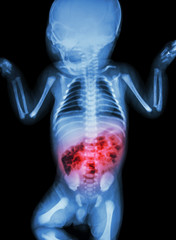
A disease that affects young infants’ abdomen, necrotizing enterocolitis occurs when bacteria invade the intestinal wall and cause inflammation. This inflammation creates a gap through which nasty germs leak out to invade the abdomen. If left untreated, necrotizing enterocolitis worsens and may result in death. It often happens to babies fed baby formula instead of breast milk within their first two weeks after birth.
While symptoms of NEC vary from child to child, some symptoms occur within the first two weeks after birth in almost every child. These include bloody poop, swollen or bloated belly, low heart rate, sluggishness, and trouble breathing. Intestinal inflammation can also block food from moving from the stomach to the small intestine.
At present, the cause of NEC is not yet certain. Premature infants, for instance, may develop the condition as a result of their immature digestive system. An immature digestive system may lack an adequate structural barrier to microbial infection and fail to secrete appropriate biochemical defenses. Dangerous bacteria can take advantage of this and infect compromised parts. These shortcomings make premature infants more susceptible to the kinds of inflammations that result in NEC.
In most cases, full-term infants with NEC develop the condition as a result of sickness. Undergoing some procedures – such as vascular bypass surgery – can potentially disrupt the intestines’ blood supply.

 Brian Gilchrist